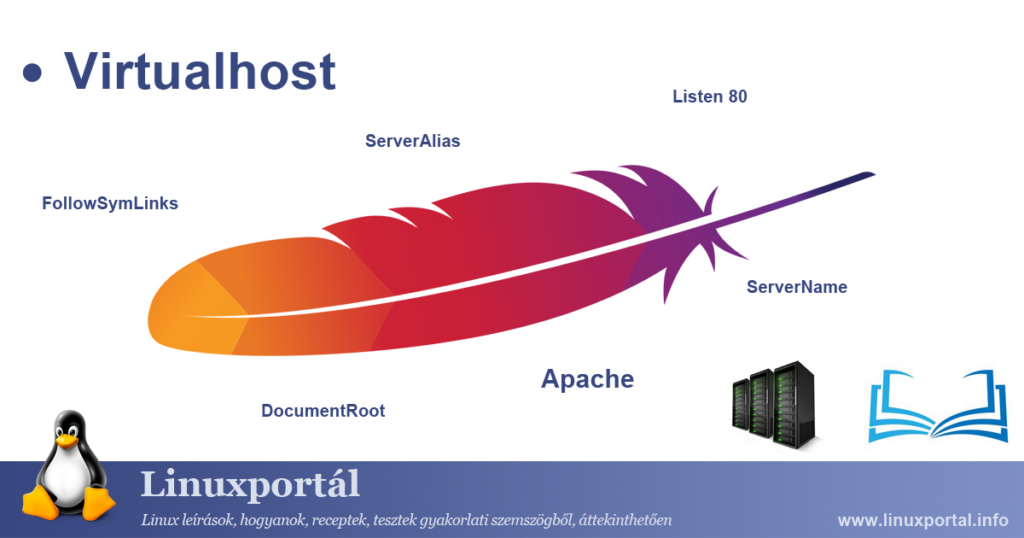
A virtual host service is a cloud-based computing model that allows individuals and organizations to run servers without owning or managing physical hardware. Instead of maintaining a physical machine in a data center, users rent virtualized resources (like CPU, memory, storage, and networking) from a provider. These resources are delivered as a virtual machine that behaves like a real computer, giving the user full control over the operating system and installed software.
One of the biggest advantages of virtual host services is flexibility and scalability. Providers like Amazon EC2 or Microsoft Azure allow users to start with a small server and scale up resources as needed very easily. This is especially useful for websites or applications with unpredictable traffic patterns. Instead of overpaying for unused capacity, users typically pay only for what they use, making virtual hosting more cost-efficient.
Another important benefit is control and customization. Unlike shared hosting, where many users rely on the same software stack, a virtual host gives the user root or administrator access. This means developers can choose their operating system, install custom libraries, configure firewalls, and run specific services needed for their respective application.
From a modern web standpoint, virtual host services form the backbone of cloud computing. They are commonly used to host websites, APIs, data pipelines, and enterprise applications. When combined with other cloud services such as managed databases, load balancers, and content delivery networks, virtual hosts enable highly reliable and scalable systems.
References
- Cloudflare, Inc. What Is a Virtual Machine? Cloudflare, https://www.cloudflare.com/learning/cloud/what-is-a-virtual-machine/. 21 Jan. 2026.
- Amazon Web Services. Amazon EC2. Amazon Web Services, https://aws.amazon.com/ec2/. 21 Jan. 2026.
- DigitalOcean.Droplets Virtual Machines. DigitalOcean, https://www.digitalocean.com/products/droplets. 21 Jan. 2026.
- LinuxPortal.info.Virtual Hosting. Linux Portal, https://en.linuxportal.info/encyclopedia/v/Virtual-hosting. 21 Jan. 2026.
Hi, this is a comment.
To get started with moderating, editing, and deleting comments, please visit the Comments screen in the dashboard.
Commenter avatars come from Gravatar.
I liked your post, it was clear and easy to follow. I agree that virtual host services like AWS EC2 and DigitalOcean let you run servers without owning hardware, and scale resources as needed. The image was a nice touch too, it made the idea easier to visualize.
This is a clear and well-structured explanation of virtual host services. You explained virtualization, scalability, and control very well, and the comparison with shared hosting makes the benefits easy to understand. The connection to real providers like AWS and DigitalOcean strengthens your points. One improvement would be to briefly compare virtual hosts with containers to show when each is better. Overall, informative and practical post.